Siegel, Avery Trade 'Play It' Calls
Siegel hedges deep lob near back line, admits privately he thought it out but feared Avery's reaction
Avery's retaliatory call draws passive-aggressive charge
By Anita Bath·Staff Reporter
Hunter Siegel and Kyle Avery, Rowayton C teammates, let a lob drop untouched Sunday. Neither man calls it in the four seconds the ball is in the air.
“I've known Kyle a long time, and I know what happens if I call it out and he doesn't agree with me. So I said play it. That's not hedging. That's fairness.”
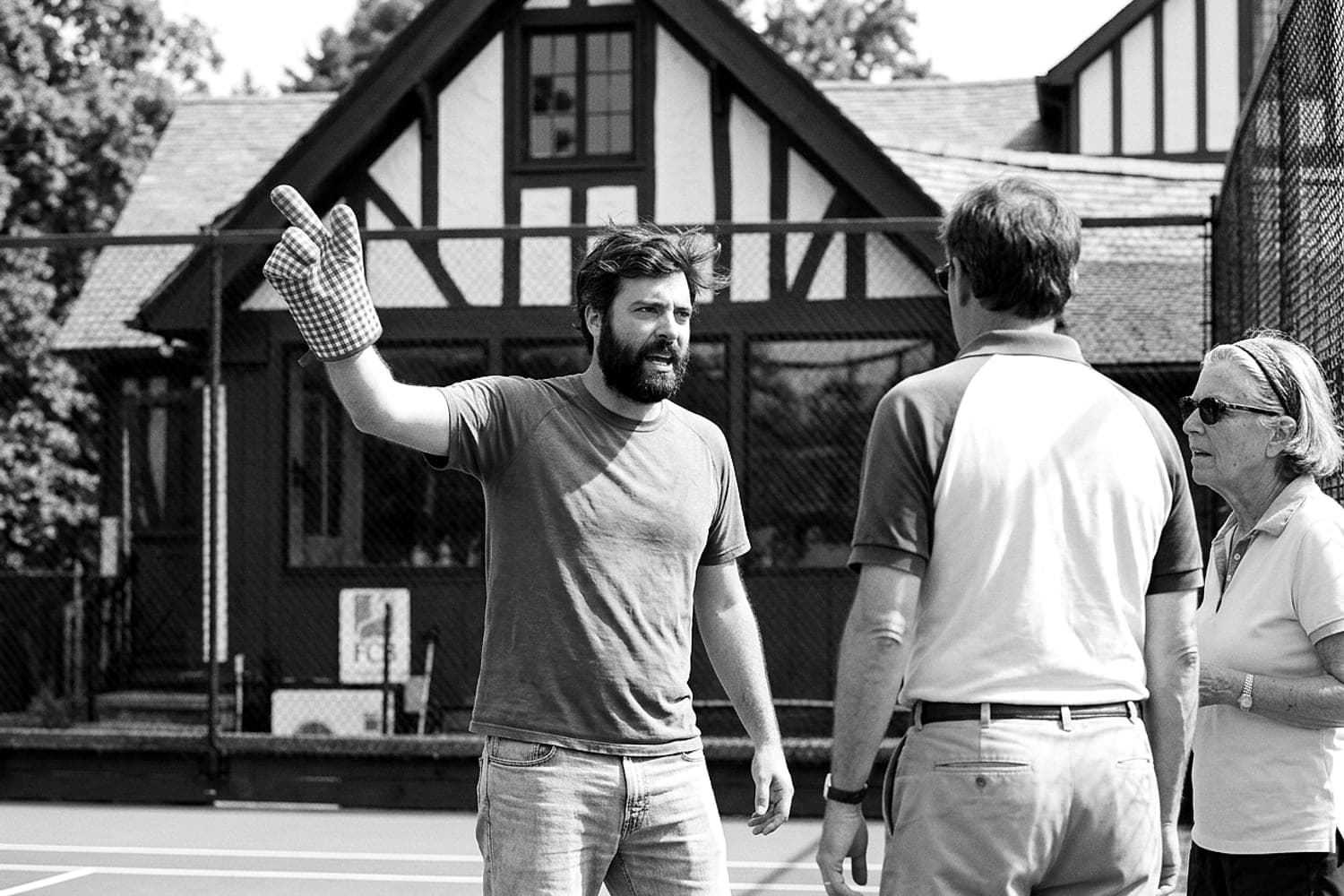
ROWAYTON, Conn., Sept. 7 —Hunter Siegel refused to call a deep lob in or out near the back line during a preseason scrimmage between Rowayton C teammates Sunday, telling Kyle Avery only to "play it," and Mr. Avery returned the courtesy several games later by calling "play it" on a Siegel forehand that Mr. Siegel afterward described, without hesitation, as passive-aggressive.
The exchange took place at a practice session weeks before Rowayton C opens its Division 4 season, on a court where nothing yet counts and, by Sunday afternoon, nothing about the deep lob had been decided either. The side is captained by Sergey Chernysh, who was not on the court for either call and said he had heard about both from four separate teammates before he finished parking his car.
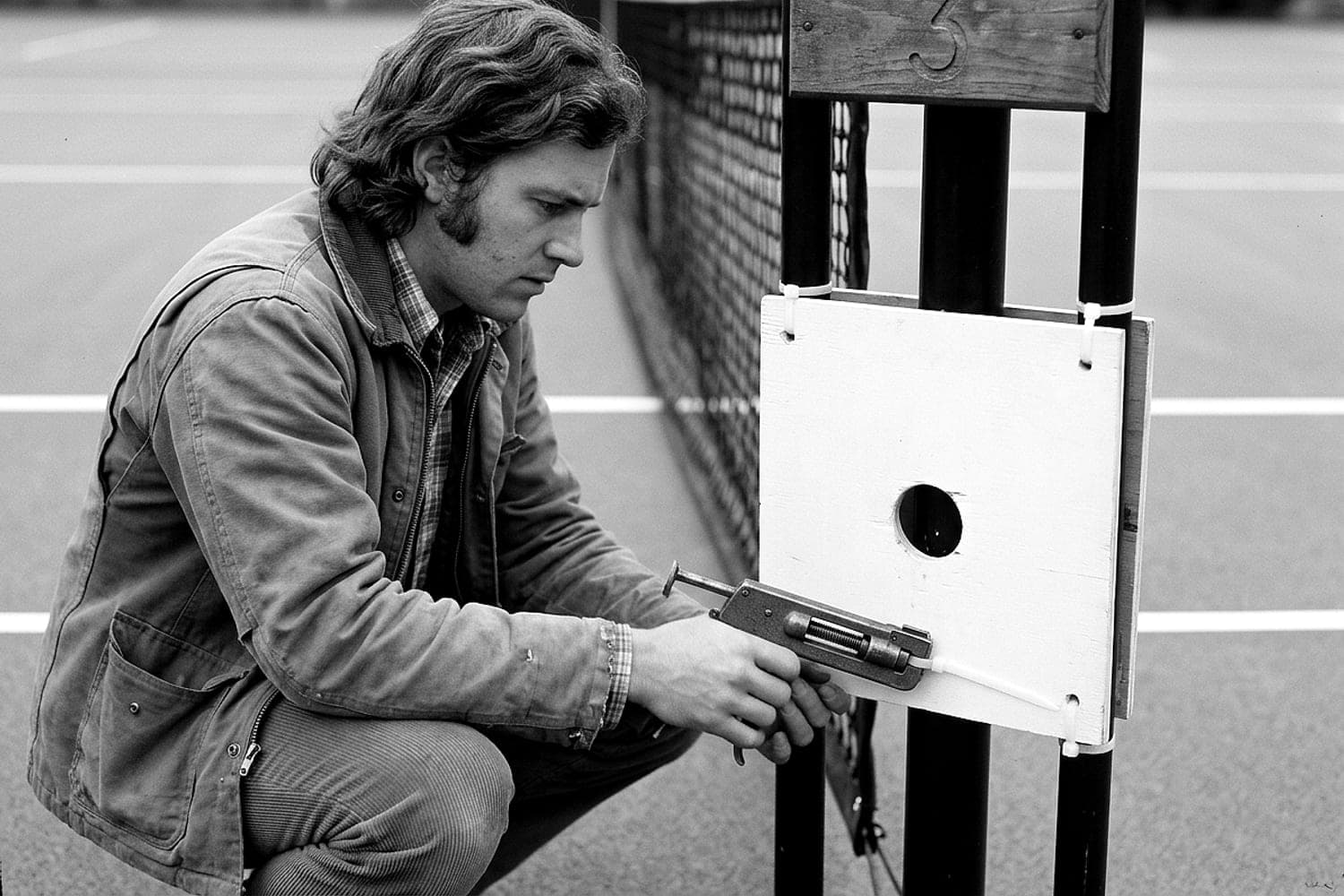
Three men in the hut placed the disputed lob within one and three-quarter inches of the back line, a figure disputed twice on the club's whiteboard and amended once in pencil. Mr. Siegel, whose PTI rose six points this year to 39, said he watched the ball land and arrived at a verdict inside what he estimated at half a second.
"I thought it was out," Mr. Siegel said. "I've known Kyle a long time, and I know what happens if I call it out and he doesn't agree with me. So I said play it. That's not hedging. That's fairness."
Mr. Avery, whose own rating fell five points over the same period to 36, did not dispute the sequence. Three games later, with a Siegel forehand landing near the sideline, he likewise declined to rule and told his teammate to play it. Mr. Siegel called it retaliation before the point was finished.
"That was pointed," Mr. Siegel said. "He wasn't being fair. He was making a point. There's a difference between a hedge and a message, and that was a message." Mr. Avery, reached by telephone, declined to characterize his own call as either.
The matter reached the club's line-call subcommittee by Monday morning, according to a member granted anonymity because he was not authorized to discuss a dispute he called, in his words, still under review. The subcommittee met for fourteen minutes Tuesday night, tabled the question of whether "play it" constitutes a call at all, and adjourned without a ruling on either ball.
Andrew Simone, who co-captains Rowayton E with Mr. Avery and was not present for the scrimmage, said he had fielded six emails about it by Tuesday and considered resigning from a captaincy the dispute did not technically fall under. "I don't even want this job on the teams I do captain," Mr. Simone said. "Now I'm getting emails about a team I don't run, over a ball I didn't see. I'm still not un-quitting, but I'm close to quitting again."
Skip Dunphy, the RPTA president, did not respond to three messages seeking comment on whether a hedged line call constitutes a bylaw matter, an eligibility matter, or neither. Mr. Chernysh said the entire affair was beneath discussion and then discussed it for eleven minutes.
By Wednesday the whiteboard in the hut had been erased and redrawn twice, and the pencil mark recording the ball's distance from the line — one and three-quarter inches, later amended to one and five-eighths — remained the only call anyone at the club had actually made.